Every construction or renovation project involves a significant investment in selecting the right flooring. Whether it’s porcelain tile, marble, natural stone, or hardwood, flooring is one of the most visible and valuable elements of any project. Yet in many cases, the greatest risk of damage doesn’t occur after the building is occupied—it happens during construction itself.
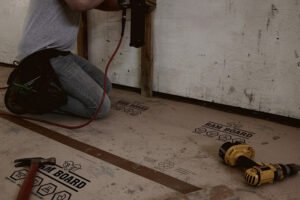
Even after the flooring has been installed, contractors, project managers, and various trades continue working on-site. Moving equipment, dropped tools, dragging materials, painting, and installation work can all result in scratches, cracks, stains, and other damage that is often difficult—or even impossible—to repair.
That’s why professional floor protection isn’t an optional extra; it’s an essential part of effective construction and renovation management.
When Is Flooring Most at Risk?
Many people assume the risk ends once the flooring has been installed. In reality, the most vulnerable period begins immediately afterward.
Following flooring installation, the job site typically remains active with:
- Electricians
- Kitchen installers
- Aluminum and window installers
- HVAC technicians
- Carpenters
- Painters
- Cleaning crews
Each trade brings tools, equipment, and construction materials that can easily damage newly finished surfaces.
On larger projects involving multiple subcontractors working simultaneously, the risk increases even further.
The Most Common Causes of Floor Damage on Construction Sites
Several recurring issues are responsible for most flooring damage during construction.
Scratches and Surface Wear
Daily foot traffic, ladders, carts, and construction equipment can gradually scratch and wear finished flooring.
Dropped Tools
Hammers, drills, grinders, and other heavy tools can crack or chip flooring if dropped.
Paint and Construction Material Stains
Paint, grout, plaster, adhesives, and sealants may leave stubborn stains that are difficult to remove, even with professional cleaning.
Damage During Material Transport
Moving doors, cabinets, glass panels, appliances, and finishing materials throughout the building creates a high risk of damaging completed floors.
Why Regular Cardboard Isn’t Enough
In the past, many contractors relied on ordinary cardboard or plastic sheeting to protect finished floors. While these materials may provide basic coverage, they are not designed to withstand real construction site conditions.
Standard cardboard tears easily, shifts under foot traffic, and offers little protection against impacts or heavy loads.
For this reason, more contractors are replacing improvised coverings with professional floor protection systems specifically designed for construction environments.
Matching the Protection Solution to the Job
One of the most common mistakes is using the same protection material throughout the entire project.
In reality, different areas require different levels of protection.
For example, a bedroom where only painting is taking place doesn’t require the same level of protection as a busy lobby where dozens of workers move heavy equipment every day.
The best approach is to choose the protection system based on the type of work, project duration, and expected traffic levels.
When to Use X Paper
Many projects require protection from dust, dirt, paint, and light scratches without the need for heavy-duty impact resistance.
In these situations, X Paper provides an efficient and practical solution.
It covers large areas quickly and is ideal for:
- Finishing work
- Painting
- Interior installations
- Residential renovations
- Areas with moderate foot traffic
Its primary advantage is the balance between ease of installation and reliable floor protection throughout the project.
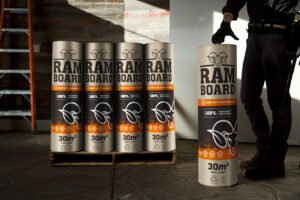
When to Use X Board
Areas exposed to heavier traffic or greater mechanical stress require a stronger protection solution.
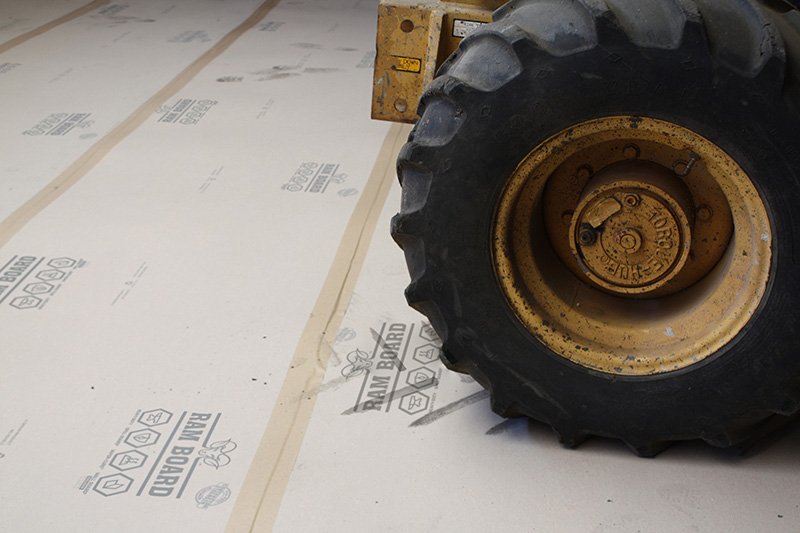
X Board provides a more rigid protective layer designed to withstand continuous movement of workers, equipment, and heavy materials.
It is particularly well suited for:
- Corridors
- Building lobbies
- Main walkways
- Elevators
- Commercial construction projects
- High-traffic work zones
Combining Multiple Protection Solutions
Professional construction projects often benefit from using multiple protection products rather than relying on a single solution.
For example:
- Install X Board in main corridors and high-traffic areas.
- Use X Paper in interior rooms.
- Add extra protection where heavy equipment will be transported.
- Apply lighter protection in areas reserved for finishing work.
This approach provides the ideal balance between protection and project costs.
Common Mistakes to Avoid
Waiting Too Long
Some contractors install floor protection only after work has already begun. In many cases, damage occurs on the very first day.
Choosing the Wrong Protection Level
Not every protection product is suitable for every area. The solution should always match the expected level of traffic and risk.
Ignoring High-Traffic Areas
Hallways, lobbies, and elevators are often the first areas to suffer damage because of constant worker movement.
Relying on Improvised Protection
Cardboard, plastic sheeting, and other temporary materials rarely provide the level of protection required on professional construction sites. Purpose-built floor protection systems deliver significantly better performance.
Conclusion
Damage to finished flooring during construction or renovation can quickly become a costly expense and delay project completion. Planning a professional protection strategy from the very beginning helps reduce risk, maintain high-quality workmanship, and avoid unnecessary repairs.
The right protection system should be selected based on the flooring type, expected site traffic, and nature of the work being performed. Areas requiring protection from dust, paint, and light scratches can be effectively covered with X Paper, while high-traffic zones and locations exposed to heavier loads benefit from the added durability of X Board.
By selecting the appropriate solution for each area of the job site, contractors can ensure that finished flooring remains in excellent condition until the project is successfully completed.