By: Netanel Kugler
Floor Protection Sheets Are Essential for Protecting Finished Surfaces on Construction Sites
Every construction or renovation project reaches the stage where the flooring has been installed, but work is still ongoing. This is the most critical phase for protecting the quality of the finished surfaces. Whether it’s porcelain tile, hardwood flooring, marble, or polished concrete, a newly installed floor can quickly be damaged by heavy foot traffic, moving equipment, dropped tools, dust, and moisture.
Floor protection sheets are specifically designed for this stage of the project, allowing work to continue without risking damage to newly finished surfaces.
On active construction sites, it’s nearly impossible to control every movement. Even the most careful crews cannot completely prevent scratches and wear when multiple trades are working simultaneously. That’s why floor protection isn’t an optional extra—it’s an essential part of project planning. Contractors who skip this step often discover that the short-term savings result in costly repairs before project completion.
Why Newly Installed Floors Are So Vulnerable
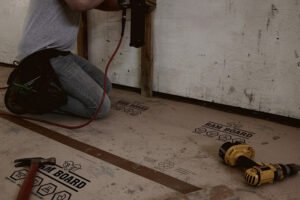
Flooring is typically installed before all construction work has been completed. Afterward, electricians, kitchen installers, aluminum and window installers, painters, and cleaning crews continue working throughout the building.
Each trade brings tools, equipment, and construction materials that can scratch, stain, or otherwise damage finished floors.
Dragging a metal ladder just a few feet can leave deep scratches. A small paint spill that isn’t cleaned immediately may leave permanent stains. Even fine construction dust combined with moisture can create an abrasive layer that dulls the finish of tile or stone.
Floor protection sheets create a physical barrier between daily construction activity and the finished flooring, dramatically reducing the risk of damage.
What Makes Professional Floor Protection Sheets Different?
Many job sites still rely on makeshift solutions such as cardboard or thin plastic sheeting. Unfortunately, these materials are not designed to withstand construction site conditions.
Ordinary cardboard absorbs moisture, tears easily, and provides little resistance to impacts or heavy traffic. Thin plastic shifts easily underfoot and may even create a slipping hazard.
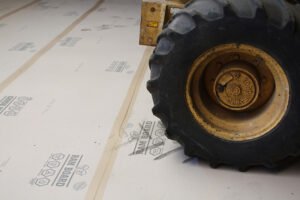
Professional floor protection sheets are manufactured from durable, flexible materials specifically engineered for construction environments. They provide continuous coverage across large areas, remain securely in place, and absorb impacts from dropped tools and moving equipment.
When installed correctly, they protect the flooring without damaging the surface underneath or leaving residue after removal.
Floor Protection as Part of Project Planning
Experienced contractors include floor protection sheets in the project schedule from the very beginning.
Immediately after flooring installation—and before other trades begin work—the finished surfaces are fully covered. This proactive approach helps prevent disputes over responsibility for damage later in the project.
Beyond the financial benefits, professional floor protection also creates a positive impression. Clients visiting the job site see clean, well-protected floors and recognize that the project is being managed professionally and with attention to detail.
Real Savings in Time and Money
Repairing damaged flooring is rarely simple.
In some cases, individual tiles must be replaced, creating noticeable color variations. Other situations require polishing, refinishing, or specialized cleaning, increasing both labor costs and project duration.
Every repair consumes valuable time and can delay project handover.
Using floor protection sheets significantly reduces the need for repairs after construction is complete. The investment in professional protection materials is typically far lower than the cumulative cost of repairs, replacement materials, and scheduling additional work.
Choosing the Right Protection for Different Flooring Types
Different flooring materials respond differently to pressure, impacts, and moisture.
- Hardwood flooring is highly sensitive to moisture.
- Natural stone and marble scratch easily.
- Polished concrete requires protection to preserve its uniform finish.
For this reason, it’s important to choose floor protection sheets that match both the flooring material and the specific conditions of the project.
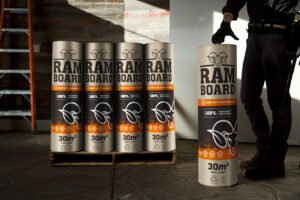
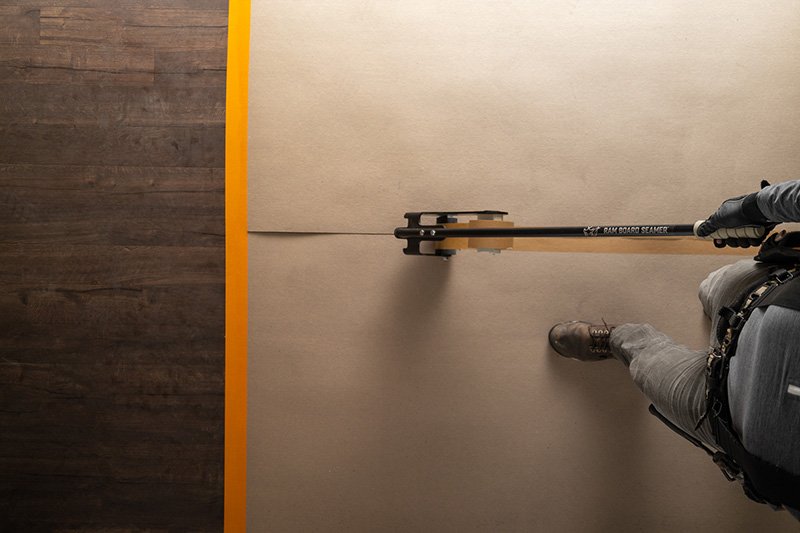
Many contractors choose specialized protection systems such as Ram Board®, which is specifically designed for construction sites and offers outstanding durability while remaining quick and easy to install and remove.
Conclusion
Floor protection sheets provide an essential layer of protection for every construction and renovation project. They preserve the investment made in finished flooring, prevent unnecessary damage, and contribute to a cleaner, more professional job site.
Rather than dealing with expensive repairs and determining responsibility at the end of a project, it’s far more effective to protect the flooring from day one.
With the right protection in place, contractors can deliver clean, damage-free floors, complete projects more efficiently, and hand over finished spaces with confidence.